Your AI is only as good as the data underneath it
92% of nonprofits now use AI. 7% can point to anything it changed.

$664M+in donations processed on data systems our founding team built and ran
92% of nonprofits now use AI. 7% can point to anything it changed.


Sometimes the fix is a warehouse. Sometimes it is a system you already own, configured properly. Two weeks tells us which.
LaunchGood figures cover 2020–2024. 92% / 7%: 2026 Nonprofit AI Adoption Report, Virtuous and Fundraising.AI, n=346.
The same three patterns, in almost every organization. Buying more software fixes none of them.
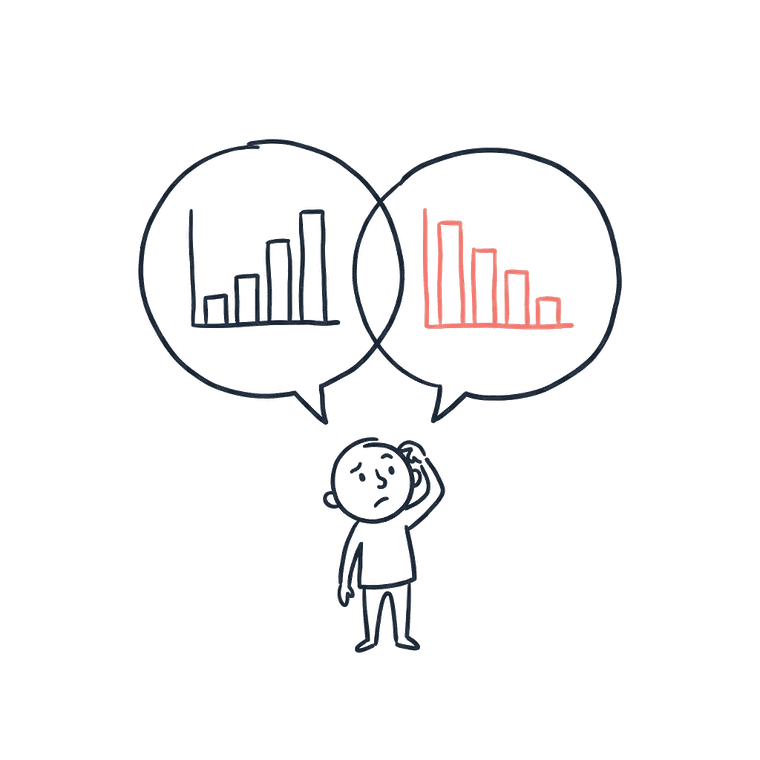
Two people pull the same figure and both can defend their number. Until that is settled, nothing built on top can be trusted with a decision.
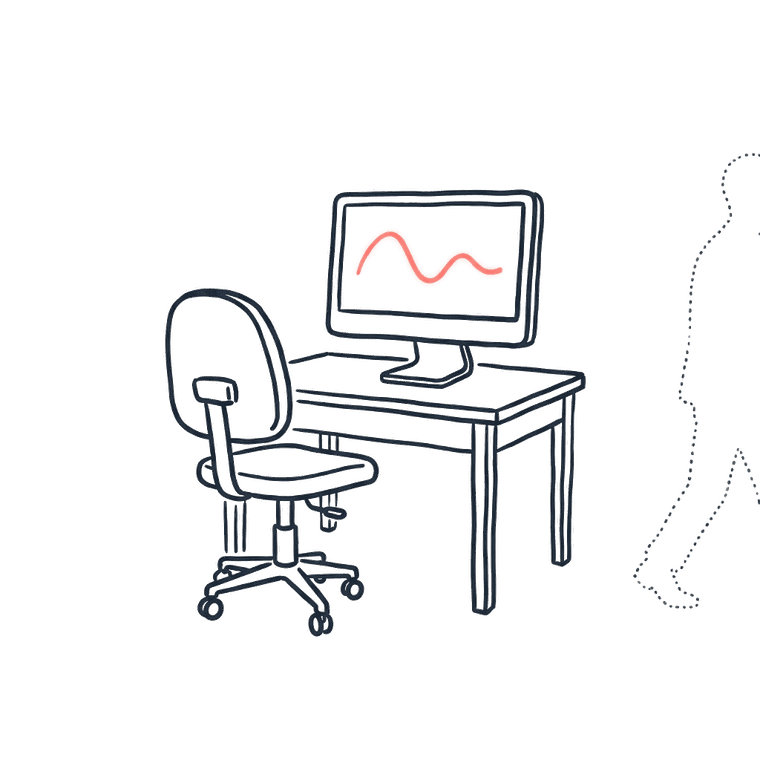
Someone set it up properly, understood it, and moved on. The software still works, but nobody is in the seat driving it, so the organization concludes it is broken and budgets six figures to replace it.
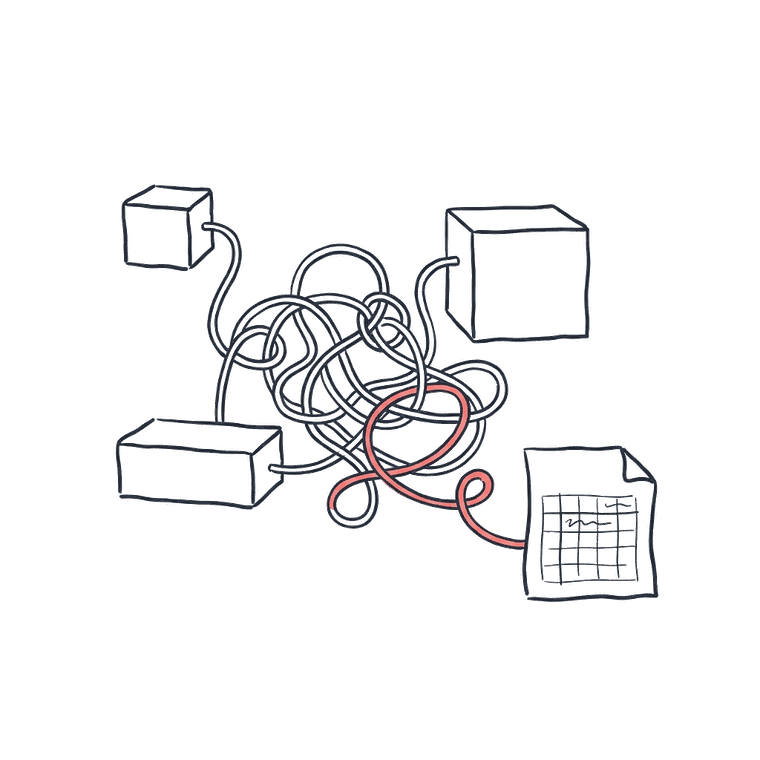
A grants platform, a donor CRM, a payment processor, and a spreadsheet somebody built in 2019 that turned out to be load-bearing. Every report is reconciled by hand, slightly differently each month.
Three layers, in this order. The sector's 7% number is what buying top-down gets you.
Integration and warehousing across every system you already pay for. A single answer the organization can stand behind, traceable to source.
Dashboards on open tooling, self-hosted where it saves you real money. Access for every team, without a per-seat bill that punishes you for sharing.
Ask a question in plain language and get the answer, the query behind it, and the rows it counted. When the data is stale, it says so. This is the part everyone wants to buy first, and it only works because of the two layers underneath.
Everyone arrives asking for layer three. We start at layer one. That is why ours holds.

Two named, with the numbers their teams can confirm. One withheld at the client's request.
Processed over four Ramadans, on infrastructure built from nothing.
LaunchGood · Crowdfunding platform
Every team ran on spreadsheets. Data was an engineering to-do that kept moving to tomorrow, and decisions waited on it.
Our founder joined as the first data hire and built the warehouse, the pipelines and a team of five. Later, a Slack bot turned one-to-two-hour data requests into sixty-second self-service answers.
First-time donor retention peaked at 22%, against a 15% sector average. Every team making decisions from the same numbers.
Donor base nearly doubled, with retention held above benchmark throughout.
Human Development Fund · Humanitarian
Donation data scattered across eight systems, millions with no regional attribution, and a donor care team losing hours every week to manual reconciliation.
One warehouse consolidating all eight, automated pipelines, RFM donor scoring, dashboards for regional performance, and personalised major-gift impact reports.
25.7% first-time donor retention against a 15% sector average, while acquisition grew 76%. Previously unattributed donations recovered.
Returned to program work, from one line item on the software bill.
Name withheld at the client's request
A hosted reporting tool billed $3,000 a month, priced per user, so teams were left off the access list to keep the invoice down.
Stood the same tool up on open infrastructure for about twenty dollars a month, with access for everyone, backups tested and a runbook their own admin can follow.
Every team sees the reports, and the money funds program work.
The same three moves every time. The timeline flexes with the mess.
A free 20-minute discovery call. We work out whether there is something here worth doing, and tell you honestly if there isn't. No deck, no pitch.
We go through your actual systems: where donors leak, which numbers disagree and why, and what your platforms really hold. You get a written diagnosis and a costed roadmap, in plain language.
Yours to keep and act on, with us or with anyone else.
Integration, warehouse, one set of numbers. Reporting your teams open without being chased. The knowledge documented and your people trained, so it never again walks out the door with one person.
Built in your accounts, in your repositories, from day one.
Analysts and agents on top of data that can hold them. Ask a question in plain language, get an answer you can trace back to source. Donor-risk flags while there is still time to make the call.
Layer three, resting on one and two.
“Datstra became our data team. The warehouse unlocked possibilities we didn't know we had, and the whole operation runs on it now.”
“They created end-to-end data infrastructure where none existed. Data went from a neglected task to something the organization can't imagine working without.”
“Systematic data intelligence, and a trusted partner we think with daily.”
 From the founder
I have sat in the meeting where two people present two different totals, and both of them can defend their number. Nobody is lying. The systems stopped agreeing years ago, and everyone learned to work around it.
I started Datstra because I kept watching good organizations make big decisions on numbers nobody fully trusted. The fix has always been someone taking ownership of the layer underneath, until the organization can say out loud: this is what we have.
A share of this practice is always reserved for small community organizations that cannot pay commercial rates. The commercial work is what makes that possible, and we think that is the right order too.
Twenty minutes on a call and we'll tell you whether we can help, what it would take, and whether the fix is a platform or a system you already own.
A free 20-minute call, at a time that suits you
If it's a fit, a two-week paid audit of your actual systems
A written diagnosis and costed roadmap, yours to keep
No deck, no pitch · hello@datstraanalytics.com · Nonprofits raising $5M–$25M